Verify state eligibility
Fantasy contests are regulated state by state. Andhra Pradesh, Assam, Odisha, Telangana, Tamil Nadu and a few others restrict paid play. Check your state first.
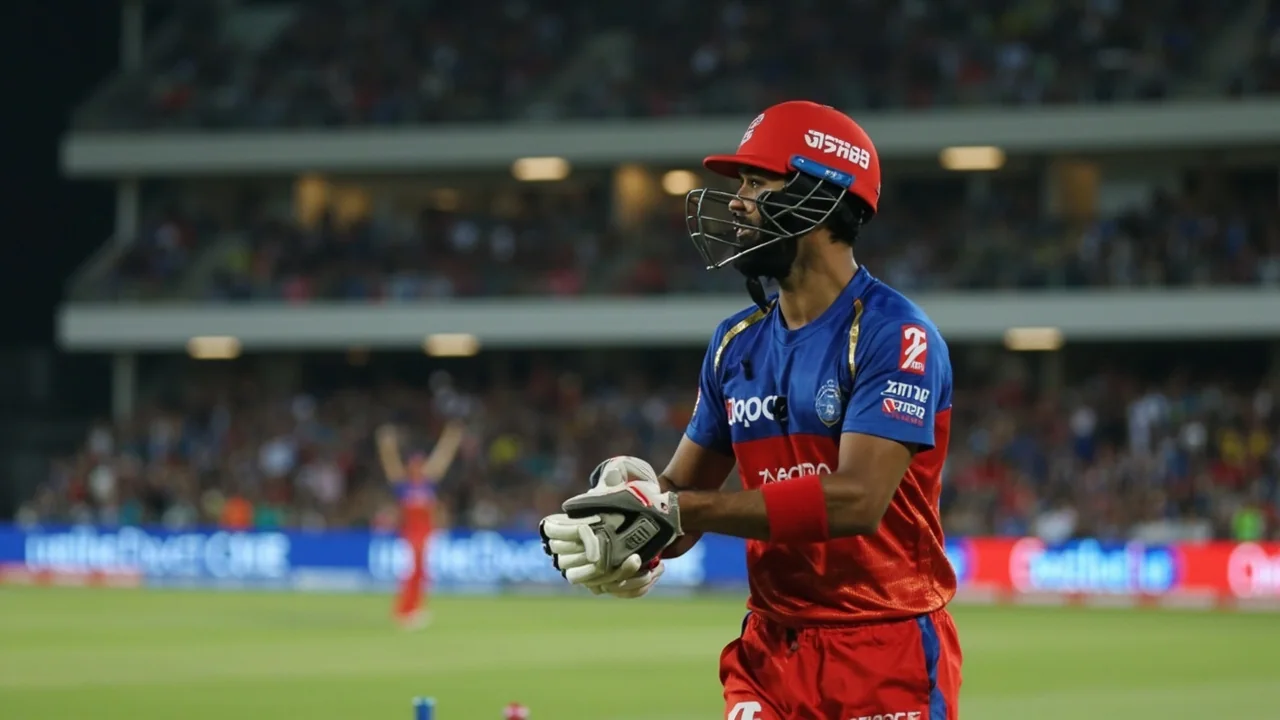
Tamil Nadu left-arm spinner R Sai Kishore has broken his silence on the strangest season of his career, telling The Times of India that he "shouldn't have done it" — that he pushed his comeback from finger surgery too hard, played only three matches for Gujarat Titans in IPL 2026, and felt short of his best rhythm by the time the franchise reached the final.
From picking a captain to reading the points system, our chapters are written by editors who play the game themselves — not marketers chasing sign-ups.
You pick a virtual squad of eleven players from a real fixture, set a captain and vice-captain, and earn points based on what those players actually do on the field. Higher-ranked entries in larger contests take a share of the prize pool. The skill is in reading pitch, form, match-ups and toss — not in guessing.
The Fantafeat desk treats the format as a sport in its own right: a long arc of small decisions, not a single lucky click. The pages below walk you through each decision in plain language.
Select players from both sides within a virtual salary cap. You can change your team until the toss locks it.
The captain earns 2× points, the vice-captain 1.5×. These two selections decide 30–40% of your score.
Runs, wickets, catches, strike rate, economy — every action has a numeric value listed in the points system.
You compete against thousands of entries. Top ranks win; lower ranks earn nothing. Skill beats field over time.
The sequence below mirrors what every serious fantasy player does in the ninety minutes before toss.
Fantasy contests are regulated state by state. Andhra Pradesh, Assam, Odisha, Telangana, Tamil Nadu and a few others restrict paid play. Check your state first.
PAN and a working bank or UPI handle withdrawals. Most apps verify PAN instantly and UPI within minutes.
Start with smaller, lower-commission contests. Practice contests let you build teams without paying entry.
The lineup locks the moment the toss happens. Late changes are not allowed; toss read decides captaincy.
Every platform publishes a full points table; these eight rows explain 80% of the variance between a winning and a losing team.
Every run scored by your batter earns one fantasy point. Boundaries and sixes add bonus points on most platforms.
A boundary gives 4 runs + 4 bonus points on T20 platforms. Aggressive batters compound fast.
Every wicket is worth 25 points plus a strike-rate bonus if the economy is under seven. Spinners get extra for variations.
The captain earns double points. One good captain pick can outscore a missed fifty from a regular pick.
Top-order batters who score zero are penalised. Lower-order batters and tail-enders usually don't carry the same duck penalty.
Catches earn 8 points each. A fielder with three catches outscores many low-impact bowlers.
A three-wicket haul triggers a 12-point milestone bonus on top of the 25-per-wicket base.
T20 formats deduct a point per dot ball bowled, rewarding wicket-taking and dot-pressure bowlers.
The contest you choose changes the team you should build. Here is how the three most common formats reward different strategies.
You versus one opponent. Winner takes the entry pool minus commission. Best for players who want clean skill signals and a small sample size.
Rank inside a pool of 3 to 100,000 entries. Top percentages pay. Most popular contest format on every fantasy platform.
Zero-entry practice contests let you build teams without paying. Useful for new players to test captaincy and combinations.
Cricket reads better in pictures than in numbers. The frames below show what we look at when we pick a captain ninety minutes before toss.

Dry, cracked tracks slow spinners and reward patience. Green, moist surfaces give seamers early life. Tonight's surface at the venue averages 167 in T20Is — a par score.
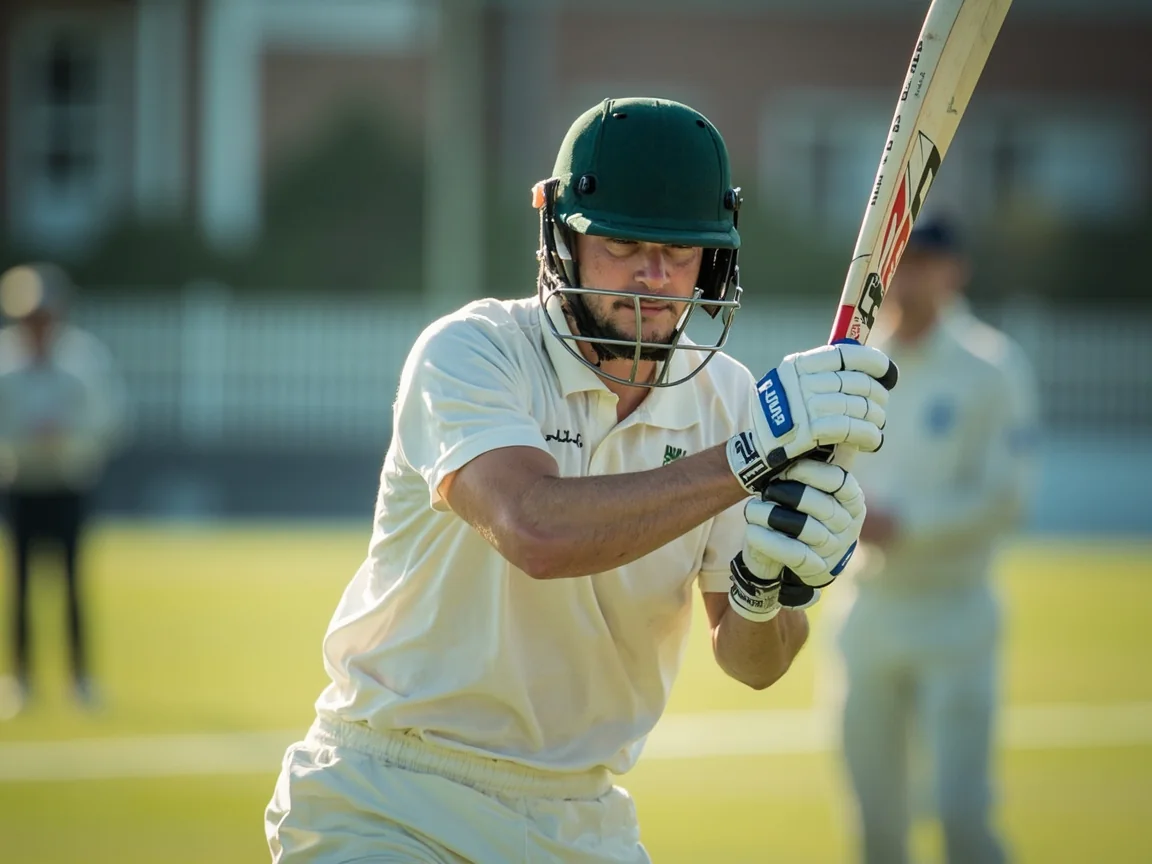
Right-arm pace against left-handed batters averages 1.42 economy in the powerplay. We weight captaincy toward batters with a strong match-up edge tonight.

Two Indian seamers crossed 18 overs last match. We expect rotation, which opens the door for a third-seamer punt in fantasy lineups.
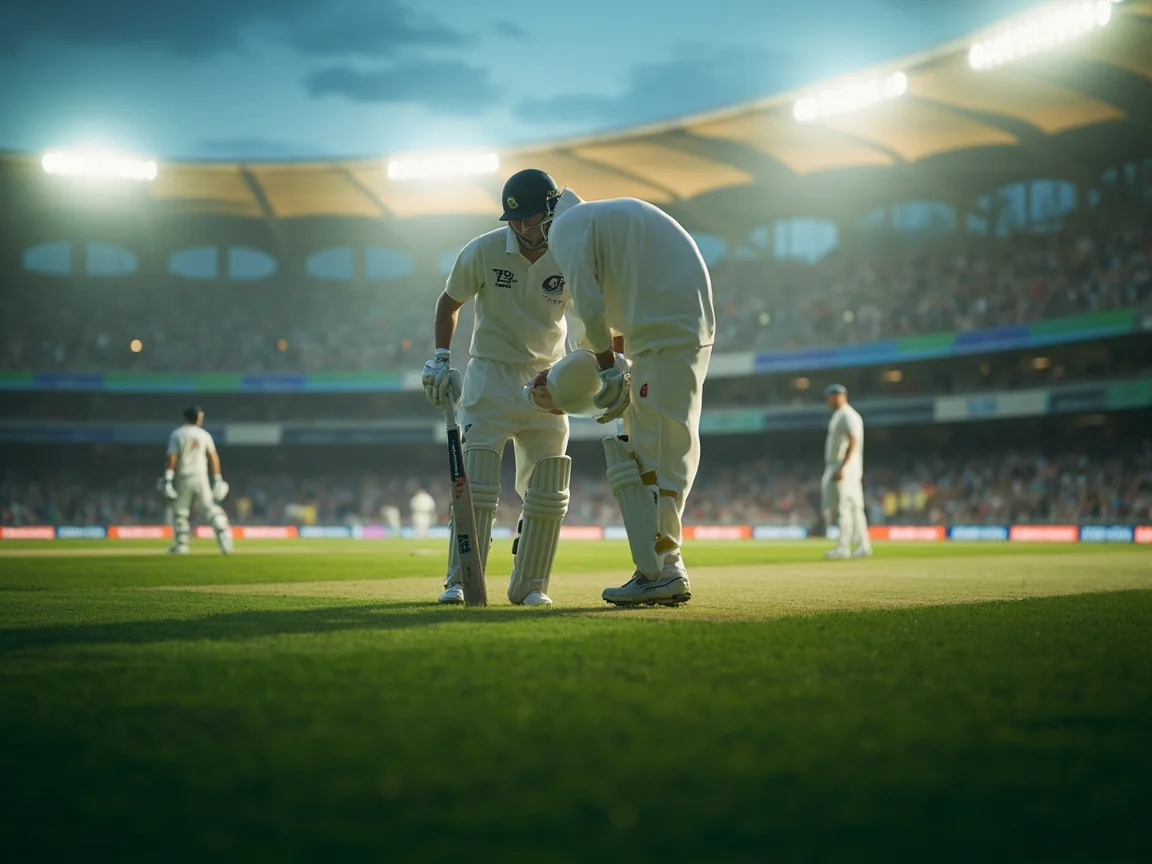
India at this venue have won 7 of the last 9 T20Is. Familiar conditions matter more than ICC rankings for short-format fantasy.
Sorted by recent points-per-match in IPL 2026. Captain picks are bolded. Differential means fewer than 10% of public teams have selected the player.
PPM = average fantasy points per match in IPL 2026. Form = 7-day rolling delta. Owned = percentage of public teams selecting this player.
Every contest rewards one of two mindsets. Here is how each plays out in practice, and when the Fantafeat desk picks one over the other.
Pick Suryakumar Yadav or another top-15 owned player as captain. Score 90–100 fantasy points. Finish in the top 30% of every contest you enter.
Best for: small leagues (under 100 entries), practice contests and bankroll preservation. The expected value is positive but small.
Verdict — Use when you are paying entry into 3+ contests in the same night. The variance loss compounds less.
Pick a player under 10% ownership as captain. If they score 80+, you leap past 70% of the field. If they fail, you finish outside the prize pool.
Best for: large-field mega contests where rank matters more than consistency. Only viable when you have a strong read on the surface and match-up.
Verdict — Use sparingly in 1 or 2 contests per match, never as your only lineup. Variance is high; expected value requires careful selection.
The full batting, bowling and fielding point table. Print it out for the toss if you build teams the old-fashioned way.
| Action | Batting | Bowling | Fielding |
|---|---|---|---|
| Run | +1 | — | — |
| Boundary (4) | +4 | — | — |
| Six | +6 | — | — |
| Half-century (50) | +8 | — | — |
| Century (100) | +16 | — | — |
| Duck (batter only, top order) | −2 | — | — |
| Wicket | — | +25 | — |
| LBW / Bowled bonus | — | +8 | — |
| Maiden over | — | +4 | — |
| Three-wicket haul | — | +12 | — |
| Catch | — | — | +8 |
| Stumping | — | — | +12 |
| Run out (direct) | — | — | +12 |
| Run out (catcher) | — | — | +6 |
| Dot ball (T20) | — | −1 | — |
Variations exist between platforms. Always verify the points table inside your contest before lock-in. Captain = 2×, Vice-captain = 1.5× on every major platform.
Six questions we keep answering in our inbox. If your question isn't here, contact the editorial desk and we will publish an answer within 48 hours.
Paid fantasy cricket contests are governed by state-level public gambling acts and the Public Gambling Act 1867. Most states treat paid fantasy as a game of skill and permit it; six states currently restrict or prohibit paid entry. We maintain a state-by-state reference on the legal page.
Default to the in-form batter or all-rounder with the strongest match-up on the day. Use differential captaincy only when you have a strong read on conditions and ownership. The captain and vice-captain typically decide 30–40% of your score.
Head-to-head is one-versus-one; the winner takes the entry pool minus commission. Mega contests are large-field leagues with a fixed rank payout structure. Mega contests reward differentiation; H2H rewards pure skill ranking.
Most platforms credit winnings to your in-app wallet immediately after the match is settled. Withdrawal to bank or UPI typically takes 2 to 24 hours once KYC is complete. PAN and bank verification are mandatory before any withdrawal.
No. The team locks the moment the toss happens. Make sure your captain, vice-captain and batting order are locked before you see the playing XIs.
Fantasy platforms reward new users who sign up using a referral or bonus code with cash bonuses or contest entries. Codes are platform-specific; one Fantafeat referral code does not transfer to another platform.
Fantasy cricket is a hobby for most of us and a discipline for a few. Either way, treat your entry spend like any other entertainment budget: cap it, log it and stop when it stops being fun. If the contest feels like a job, take a week off.
The Fantafeat desk is independent and does not run contests. We will never publish a captain pick as a "guaranteed winner" because no pick is guaranteed. If you ever feel your play is drifting, the helplines below are free, confidential and 24×7.
Fantafeat doesn't run contests, but the Fantafeat editorial desk picks the same captain every match-day reader does. Get the official download and lock your team before toss.
The desk publishes a state-by-state reference. If your state is restricted, you can still read our captaincy logic and points reference; you cannot enter paid contests on the major platforms.
Paid fantasy contests prohibited under state gaming law.
State gaming act prohibits online paid fantasy contests.
State-level restrictions apply to online paid fantasy contests.
Telangana Gaming Act 1974 prohibits paid online fantasy contests.
Tamil Nadu Gaming Act 2022 prohibits paid online fantasy contests.
Sikkim has its own licensing regime; most platforms do not serve the state.
Paid fantasy contests are permitted subject to age verification and KYC.
Every major fantasy platform requires users to be 18 or older.
Three roles, one publishing cycle. Every page goes through at least one editor and one fact-checker before update.
Maintain the points reference tables, the captaincy framework, and the state-by-state legal page. Cross-check operator terms before each season.
Publish projected XIs, pitch reads and captaincy reasoning ninety minutes before toss. Update after the official toss. Retire after the match.
Tracks state-level gaming law changes, KYC rules and platform enforcement of restricted states. Updates the legal page within 24 hours of any substantive change.
If you have just found the desk, these six pages will give you the full picture in twenty minutes.
The eight terms every fantasy player encounters in their first ten matches.
The virtual budget you must stay under when picking your eleven. Top-order batters and strike bowlers cost more than tail-enders.
The captain's points are doubled (2×). The single highest-leverage decision in fantasy cricket.
The vice-captain's points are multiplied by 1.5×. The second-highest leverage decision.
The moment after which you cannot change your team. On every platform the lock is the official toss.
One-versus-one contest. The winner takes the entry pool minus commission. Cleanest test of skill.
Large-field league with thousands of entries. Top 0.5 to 2 percent wins. Rewards differential captaincy.
Points per match. The player's average fantasy score across matches played. Used to compare players.
A player selected by under 10 percent of public teams. Captaincy on differentials can leap past the field in mega contests.
Five articles from the editorial desk. The news desk covers platform-level changes, points-table updates and state-level regulatory shifts.
These five numbers tell you more about your fantasy season than any single contest result. The desk publishes them on the responsible-play page.
Cap daily entry spend at 1 to 3 percent of your starting bankroll. Stop when you hit your cap, win or lose.
Take a fortnight off after three bad matches. The break is more profitable than chasing the loss.
Track your top-30 percent finish rate across contests. Consistent top-30 finishes mean your reads are paying off.
A single captain pick can move you 20,000 ranks in a mega contest. Judge on five-match windows, not single matches.
The editorial desk reads every message and replies within 48 hours on weekdays. Corrections are answered within 24 hours. We do not run contests and we cannot resolve account issues — for those, contact your platform directly.
A short recap of the desk's most-repeated advice, condensed into three lines you can read in the elevator to the match.
You will not remember the whole five-factor captaincy model ninety minutes before toss. You will remember three things: lock the captain ninety minutes early, match captaincy to contest size, and stop when you hit your daily spend cap. The rest is detail.
Read this recap section on match-day morning. Then read the predictions page for tonight's projected XI. Then build your team. Then lock it five minutes before toss. That is the entire workflow.
Form, match-up and toss are usually decided by then. Locking early lets you build around the captain pick.
Safe captaincy in head-to-head and small leagues. Differential captaincy in mega contests only.
Cap daily spend at 1 to 3 percent of your starting bankroll. Stop when you hit your cap, win or lose.
Predicted XIs are forecasts. After the toss, the desk updates the page with confirmed lineup changes.
If you read the desk once a week, here is when to come back for each kind of content.
Projected XIs, pitch reads and captaincy reasoning published ninety minutes before toss during the IPL season. Updates after the toss.
Form, PPM and match-up notes updated every Monday during the IPL season. Captaincy confidence ratings refreshed with the latest five-match window.
State-level gaming law updates and platform-level points-rule changes reviewed every month. Retired outdated advice is removed within 24 hours.